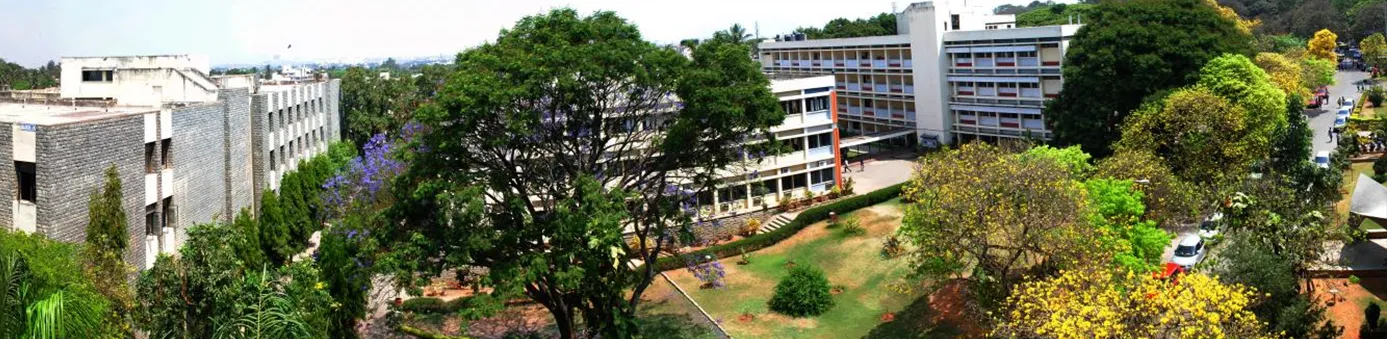

How to get admission in top engineering colleges comes down to three things: starting early, choosing the right exams, and shortlisting colleges that genuinely match your profile. Students who plan six to twelve months consistently report a calmer, more confident admissions experience than those who begin at the last minute.
Competition for engineering seats has grown sharply. Over 15,38,468 students appeared for JEE Main in 2026. That number makes early, structured preparation the single most important advantage a student can have.
Step-by-Step Guide to Getting Admission in Top Engineering Colleges
How to get admission for engineering follows a clear sequence when broken down properly.
Step 1: Identify your target exam
JEE Main covers most national and state-level colleges. JEE Advanced is required for IITs. KCET covers Karnataka-based institutions. Know which exam applies to your target colleges before anything else.
Step 2: Build a 6 to 12-month study plan
Divide the syllabus by subject and month. Physics, Chemistry, and Mathematics each need consistent daily time, not last-minute cramming. Mock tests every two weeks help track progress without panic.
Step 3: Apply to colleges in parallel
Do not wait for results before researching colleges. Application windows open months before results are declared. Missing a deadline because of poor planning is one of the most avoidable mistakes in the process. EduDunia’s college comparison tool helps you shortlist and track applications in one place.
Step 4: Attend counselling rounds prepared
Know your preferred branches, your budget, and your cutoff range before counselling begins. Students who walk in without this information often make choices they regret.
How to Shortlist the Right Engineering Colleges
What to check when shortlisting:
- Branch-specific placement records, not overall college averages
- Faculty credentials and industry connections
- Infrastructure and lab facilities for your discipline
- Location and proximity to industry hubs
RV College of Engineering admission is among the most sought-after institutions in Karnataka. Each has strong placement records across core and emerging engineering branches.
Common Mistakes Students Should Avoid
- Applying to colleges without checking the previous year’s cutoff data
- Choosing a branch based on popularity rather than personal interest
- Skipping mock tests because the real exam feels far away
- Leaving document verification and application fees to the last day
- Relying on a single college without backup options
Tips to Increase Your Chances of Admission
- Appear for more than one entrance exam to widen your options
- Check for management quota seats at private colleges as a backup
- Build a strong application with a consistent academic record
- Research scholarship options early; many close before results are declared
- Use platforms like EduDunia to compare colleges by branch, fees, and placement data
Future Engineering Branches With High Career Demand
| Branch | Why It Has Strong Demand |
| Computer Science and AI | Consistent hiring across every sector |
| Data Science and Analytics | Growing demand in finance, healthcare, retail |
| Cybersecurity | 33% projected growth by 2033 per BLS |
| Mechanical and Robotics | Manufacturing automation driving new roles |
| Civil and Environmental Engineering | Infrastructure growth across India |
| Biomedical Engineering | Intersection of healthcare and technology |
For students targeting high-demand branches at institutions like MS Ramaiah Institute of Technology, preparation needs to begin earlier than average given the sharper competition for seats.
The Bottom Line!
Engineering admissions have a reputation for being chaotic, and sometimes they are. But most of that chaos is self-created. Students who treat the process as a series of straightforward decisions (which exam, which colleges, which branch) find it far less overwhelming than those who treat it as one giant problem to solve all at once.
Take it one step at a time. The process is manageable when you stop looking at all of it together.
FAQs
1. How do I prepare for engineering entrance exams without stress?
Start at least six months before the exam. Divide the syllabus into monthly targets, take mock tests every two weeks, and build in rest days. Consistency over intensity is what produces results without burnout.
2. Which engineering entrance exams are important in India?
JEE Main is the primary exam for most colleges. JEE Advanced is required for IITs. BITSAT covers BITS campuses. KCET is Karnataka’s state-level exam. Each has different eligibility and application timelines.
3. How do I choose the best engineering college?
Look at branch-specific placement records, faculty credentials, infrastructure, and location. A college ranked lower overall but with strong placements in your chosen branch is often the better choice. BMS College of Engineering admission 2026 is a strong example. Students who research its branch-wise cutoffs early make far more confident decisions during counselling.
4. Is coaching necessary for engineering entrance exams?
Coaching helps with structured preparation and mock tests, but is not essential. Many students clear JEE Main through self-study with the right resources and disciplined daily practice.
5. Which engineering branches have the best future scope?
Computer Science, Data Science, Cybersecurity, Biomedical Engineering, and Robotics are among the strongest branches for 2026 and beyond, based on current hiring trends and BLS projections through 2033.