
The best branch in engineering in India is usually the one tied to where companies are actually spending money and hiring consistently. Today, that includes areas like AI and data work, cybersecurity, chip design and embedded systems, automation and robotics, electric vehicles, and energy systems. These fields stay relevant because they are built on core engineering skills and grow as industries scale, rather than fading with tools or trends.
Why Choosing a Future-ready Specialization is Essential Today?
Hiring shifted from “degree-first” to “capability-first.” Companies want engineers who can ship, secure, automate, and optimize. Three forces drive that:
- Automation everywhere: AI copilots and low-code tools reduce routine work. Specializations that build, govern, and scale systems win.
- Regulation and risk: Data privacy, security, and safety standards push demand for engineers who can design compliant systems.
- Cost pressure: Firms invest in efficiency, energy savings, reliability, and robust supply chains. Engineers who cut cost and failure rates stay employable.
So when you ask which branch of engineering is best for the future, you are really asking: “Which branch stays valuable when tools change?”
How to Choose the Right Specialization
Use a simple filter that professionals use, not brochure logic.
1) Problem size
Pick a field tied to a large, growing spend: compute, energy, healthcare, mobility, security, chips.
2) Tech tailwinds
Follow where platforms expand: cloud, edge devices, electrification, AI, 5G, robotics, digital manufacturing.
3) Skill adjacency
Choose something that matches your strengths. If you like math and models, AI and signals fit. If you like hardware and physics, VLSI and power electronics fit. If you like systems and adversarial thinking, cybersecurity fits.
4) Ecosystem access
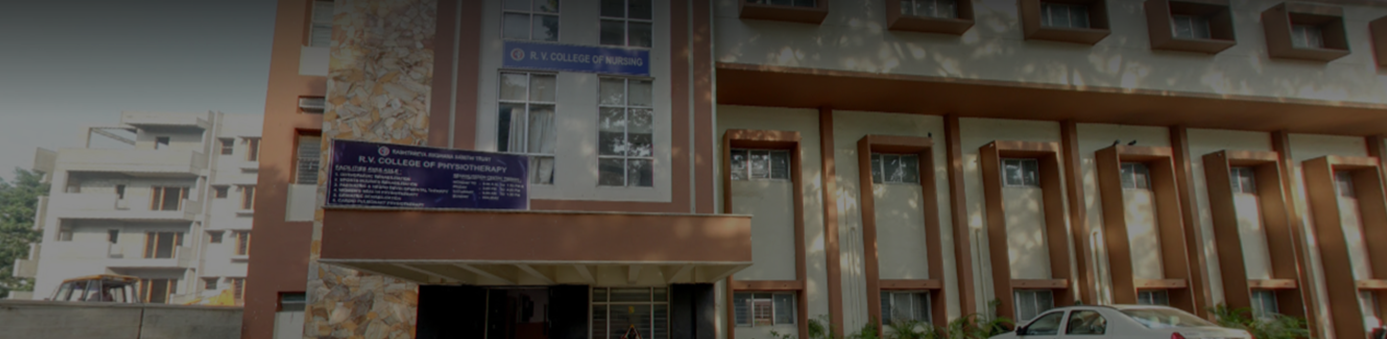
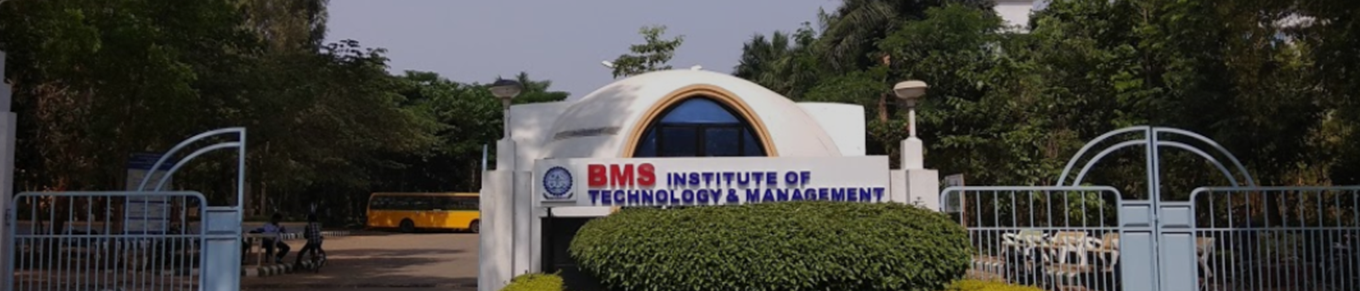
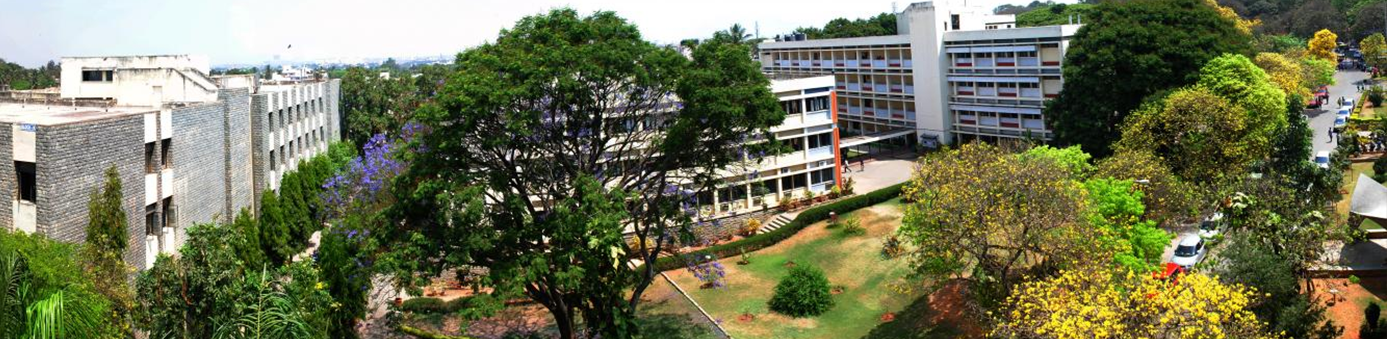
Your college matters because it controls labs, mentors, clubs, industry tie-ups, and peer groups. Bengaluru colleges give you proximity to product firms, chip design, and startup internships.
Names that often come up include:
- RV college of Engineering Bangalore
- BMS College of Engineering
- Dayananda Sagar College of Engineering
- MS Ramaiah Institute of Technology
- CMR Institute of Technology
- Sir M Visvesvaraya Institute Of Technology
- Bangalore Institute of Technology.
Proximity does not guarantee outcomes, but it increases your shots.
What Makes an Engineering Field “Future-Ready”?
A field stays future-ready when it meets these conditions:
- It compounds with experience. Your value rises after 2 to 5 years, not plateaus.
- It resists commoditization. Tools assist you, but they do not replace judgment.
- It sits near revenue or risk. Businesses pay more for growth and protection than for maintenance.
- It supports portfolio proof. You can show work through builds, benchmarks, and measurable results.
Top Emerging Engineering Specializations
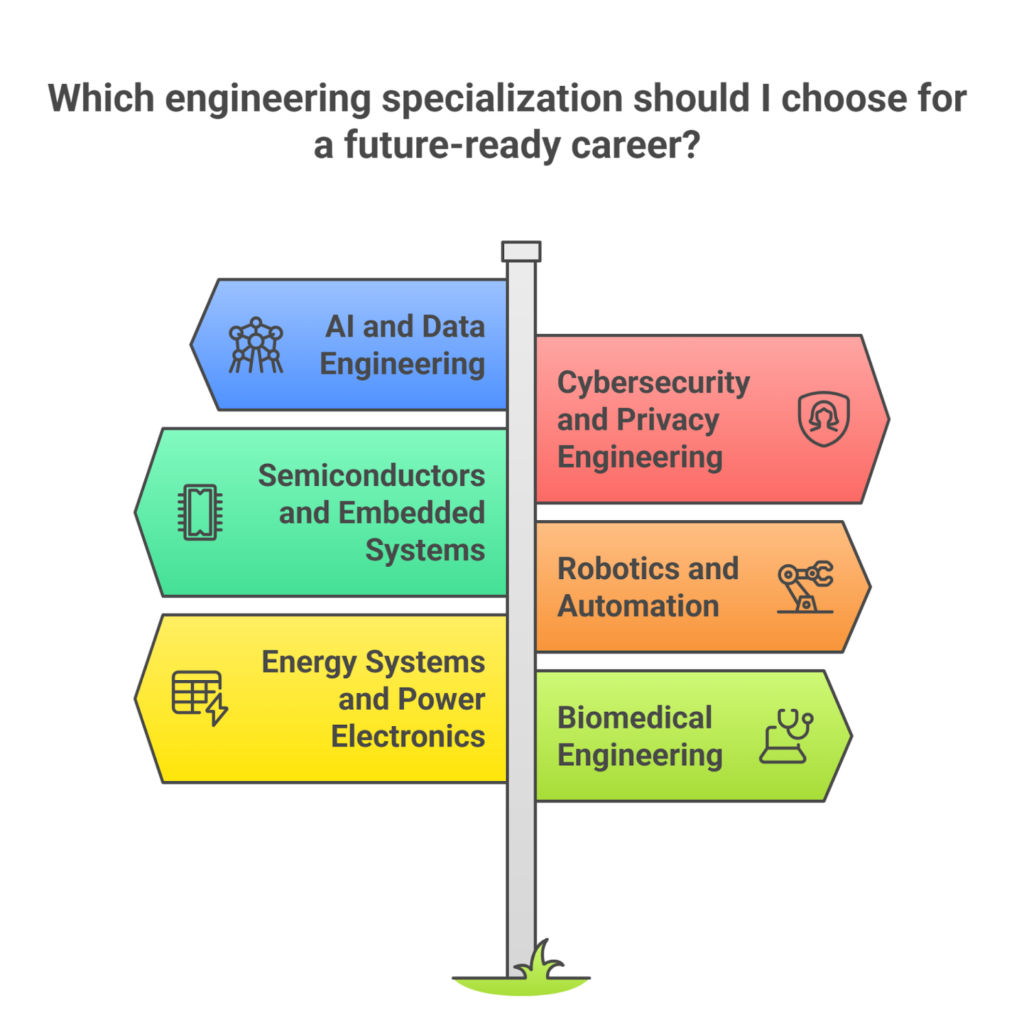
If you want a clear answer to which BTech branch is best for the future, focus on specialisations that stay useful even as tools and job titles change. Fields that combine software depth with systems, hardware, or regulated domains tend to offer longer career stability.
| Engineering Specialization | Core Branch Base | Why It’s Future-Ready |
| AI, ML, and Data Engineering | CSE / ISE | AI work goes beyond training models. Engineers who understand data pipelines, evaluation, MLOps, and system design stay relevant as platforms evolve. |
| Cybersecurity and Privacy Engineering | CSE / ISE / IT | Security hiring rarely slows because digital risks keep growing. Skills like threat modeling, secure coding, cloud security, and incident response remain in demand. |
| Semiconductors, VLSI, and Embedded Systems | ECE / EEE | Chips power phones, vehicles, and factories. This field rewards strong fundamentals, disciplined lab work, and long-term technical depth. |
| Robotics, Automation, and Control Systems | ME / ECE / EE | Automation drives factories, warehouses, and mobility systems. Control theory, sensors, ROS, embedded systems, and testing form the core skill stack. |
| Energy Systems and Power Electronics | EE / EEE | Electrification increases demand for battery systems, motor drives, grid integration, and energy storage, especially when paired with applied projects. |
| Biomedical and Healthcare Engineering | Biomedical / ECE / ME | Healthcare engineering combines devices, imaging, and regulated systems, offering stable demand and real-world impact. |
Recent surveys also show how fast expectations are shifting. Around 85% of professionals say continuous upskilling has become essential, as AI and advanced technologies change how engineers build, test, and maintain systems.
Final Thoughts
If you want clarity on the best branch in engineering in India for your profile, do not guess. Use EduDunia like a decision partner: shortlist specializations, match them to the right Bengaluru college ecosystem, and plan admissions with timelines and backups.
Fill the form, share your interests and marks, and get a specialization shortlist with a college plan that you can execute this month.
FAQs
1. Which BTech branch is best for the future in India?
There is no single best branch. Fields linked to AI, chips, automation, energy, and security tend to offer better long-term demand.
2. Is Computer Science still a good choice?
Yes, if you build real skills in systems, data, security, or cloud, not just basic coding.
3. Do core branches like Mechanical or Electrical still matter?
They do, especially when paired with automation, EVs, robotics, or power systems.
4. How important are projects and internships?
Very important. Recruiters trust what you build more than what you claim.
5. Should I choose a branch based only on salary?
No. Skill fit and growth matter more over time.