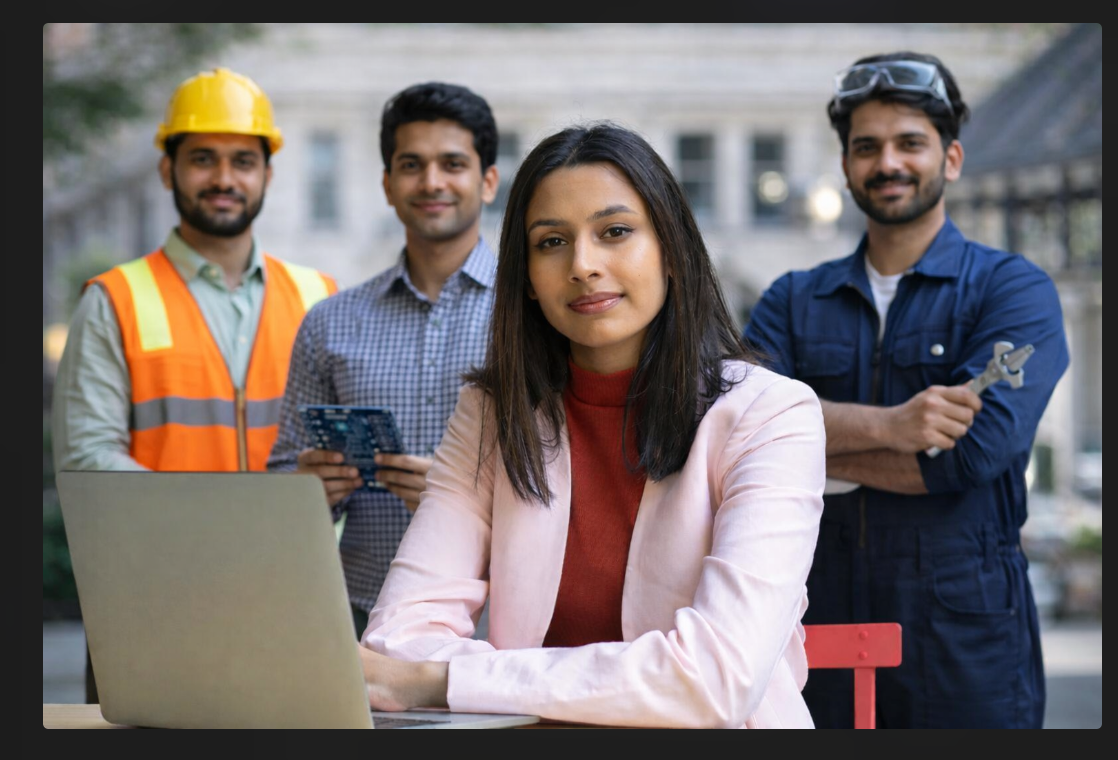
Technology and society are changing job markets at high speed, and that shift is creating careers that were rare or absent five years ago. Roles like AI Prompt Engineer, Machine Learning Ops Associate, Digital Identity Manager, Cyber Threat Intelligence Analyst, and Remote Work Operations Lead now appear in real hiring pipelines.
These are not side trends. They are part of the core demand, and new careers in the last 5 years are now shaping how students should choose courses, skills, and long-term plans.
Why Are New Careers Emerging So Quickly?
Companies changed how they work. They moved to automation, cloud tools, digital products, and data-led decisions. So hiring also changed. Employers now recruit people who can solve new problems, not only people with old job titles.
A few clear drivers are pushing this shift:
- AI tools are now part of daily work across teams
- Startups are launching niche products faster than before
- Remote and hybrid teams need new coordination roles
- Compliance, privacy, and cyber risk created specialist jobs
- Sustainability goals opened climate and reporting functions
This is why careers now evolve in shorter cycles. Earlier, curriculum changes came first and hiring followed. Today, hiring changes first and colleges catch up later.
According to the World Economic Forum’s Future of Jobs Report 2025, many in-demand jobs today did not exist five years ago, especially in AI, machine learning, data science, cybersecurity, and digital environments. The report also projects 170 million new jobs globally by 2030 due to technology advances.
That one point should change how students plan college and skill building. If the market moves fast, planning must move faster.
How Students Can Prepare for These Careers
Students usually make one mistake. They collect random certificates and expect results. That approach rarely works. You need a role-first strategy.
What works better
- Pick one target role family first
- Learn the exact tools that role needs
- Build 2 to 3 proof projects
- Align your degree choices with job demand
- Keep updating skills every quarter
For example, if a student wants AI product roles, they need communication, basic analytics, prompt design, and product thinking. If they want cyber roles, they need network basics, security principles, and lab practice.
We support students with this exact process. We do not push generic advice. We guide with practical pathways based on budget, college options, and employability outcomes.
And yes, this preparation matters because new careers in the last 5 years do not wait for anyone.
Are Traditional Careers Becoming Obsolete?
Not fully. Traditional fields still matter. But role execution has changed inside those fields.
A physiotherapy graduate now uses digital tracking tools. An architecture student now works with sustainability metrics and simulation software. An engineering student now works with AI-assisted workflows.
So the real shift is this:
- Old degree + old skills = limited options
- Old degree + new skills = strong options
That is where institutions and guidance support become important. Students from Ramaiah College of Physiotherapy, Bangalore, and BMS College of Architecture can stay highly competitive if they blend domain learning with modern tool skills.
When students pair strong domain fundamentals with relevant digital skills, they don’t just stay employable, they become adaptable, future-ready professionals across industries.
That’s why students who upgrade their skill set stay ahead: they can speak the language of the industry and deliver faster, smarter outcomes.
Below are a few clear examples.
| Field | Earlier Common Role | Current Emerging Role |
|---|---|---|
| Tech | Software Developer | AI Workflow Specialist |
| Security | IT Support | Cloud Security Analyst |
| Media | Content Writer | AI Content Strategist |
| Operations | HR Executive | Remote Work Operations Lead |
| Design/Built Space | Architect | Sustainable Design Technologist |
This table is not theory. It reflects what hiring patterns already show in many sectors.
How Campus Choices Can Improve Career Outcomes
Students tend to pick colleges based on popularity first though new positions require skill matching. In MS Ramaiah Institute of Technology, students are able to establish a solid level of technical profundity, add AI, automation and product-thinking projects to it.
To achieve the outcomes, the students may combine design training with sustainability tools, digital modelling, and data-based planning at BMS College of Architecture.
Prior to approval of admission, the families need to verify four aspects:
- flexibility in the curriculum of future-oriented electives
- access to projects, internships and labs
- business partnering and mentorship
- placement assistance of hybrid digital positions
EduDuniya assists students in making comparisons of these factors in a systematic manner hence the decisions made goes with the job requirement in the future. Rather than adhering to arbitrary patterns, EduDuniya helps students to pursue courses that facilitate market positions and career development.
Conclusion
Job markets have changed, and student planning must change with them. The smartest approach today is to combine strong fundamentals, practical projects, and regular skill updates.
The demand for new careers in the last 5 years is real, and students who prepare with structure will move faster than others. If you want a clear direction from course choice to career path, connect with EduDunia today.